What is Site & Power equipment?
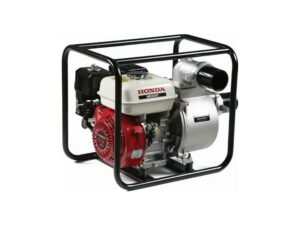
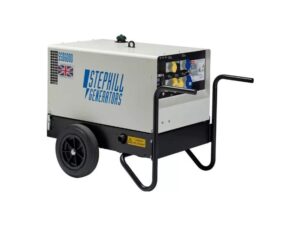
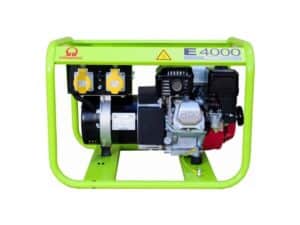
Site & Power equipment covers the tools and machines that provide electrical power, lighting and temporary distribution on construction sites, events and outdoor works. Typical items include portable generators, site lighting towers, transformers, site distribution boards, cable reels and power tools with safe supply. These products keep worksites lit, powered and compliant with regulations even where mains supply is unavailable or unsuitable.
Who uses this equipment and for what jobs?
This category suits a wide range of trades and jobs, including:
- Builders and groundworkers running mixers, saws and power tools on new-builds.
- Landscapers and garden contractors using pumps, shredders and lighting for evening works.
- Roofers and cladding installers needing safe, portable supply on scaffolded jobs.
- Event crews and temporary site managers requiring lighting towers and distribution boards.
Whether you’re doing a one-day dig, an overnight concrete pour, or a multi-week refurbishment, the right site power equipment keeps your project moving safely and efficiently.
Key things to look for when hiring site power kit
Choosing the correct equipment is vital. Check for:
- Correct power output: Match generator kVA or wattage to your tools’ combined load plus a safety margin.
- Safety features: RCD protection, secure transformers, and weatherproof enclosures for outdoor use.
- Fuel type and run time: Diesel vs petrol, tank size and expected continuous running hours.
- Noise limits: Consider low-noise models for residential areas or early/late works.
- Condition and certification: Look for well-maintained kit, recent PAT tests and service records.
We always recommend discussing site specifics with the hire company so they can recommend the right size and safety accessories for your project.
Why hire rather than buy?
For most tradespeople and self-builders, hiring site power equipment makes sense because:
- Cost-effective: No large upfront purchase; rent only for the period you need.
- Maintenance-free: Hire firms maintain and service equipment, reducing downtime risk.
- Access to the right spec: Hire different sizes and features for different jobs instead of buying multiple units.
- Storage and transport: Avoid long-term storage and the hassle of transporting heavy items.
Hiring lets you scale up for larger jobs or use quieter, low-emission models when needed without committing capital.
Safety and operator tips
Electrical and fuel-powered equipment can be hazardous if used incorrectly. Follow these tips:
- Always use RCDs and properly rated distribution boards for site connections.
- Keep generators and fuel storage ventilated and away from enclosed spaces.
- Use heavy-duty, site-approved cable reels and inspect cables for damage before use.
- Ensure a competent person operates or supervises generator start-up and shut-down.
- Observe local noise and emissions regulations—use low-noise or baffled units in residential areas.
We can provide equipment with the necessary safety accessories and give practical briefings on-site to ensure your team works safely.
Why choose Breckland Plant Hire in Norfolk & Suffolk?
As a family-run business based in Attleborough, we combine local knowledge with dependable service. We deliver site power equipment within 20 miles of Attleborough and Wymondham and offer free collection for customers who prefer to pick up from our depot. As CPA members we uphold high safety and maintenance standards and provide exclusive trade-account discounts for regular customers.
Whether you need a single generator for a weekend or a full site power package for a multi-week project, our team will recommend the right kit, arrange delivery and supply the safety accessories you need. Visit our hire page to view availability or contact us for a tailored quote.
Book the right power kit for your job
Get in touch today to discuss power requirements, delivery options and trade rates. With well-serviced equipment, expert advice and local delivery, Breckland Plant Hire makes site power hassle-free across Norfolk and Suffolk.